The field of electrical technology is evolving at a rapid pace, driven by innovation and advancements in engineering, materials science, and computing. From smart grids to renewable energy storage solutions, exciting developments are reshaping the way we generate, distribute, and utilize electricity. In this blog post, we explore some of the latest innovations in electrical technology and their potential to revolutionize various industries.Portland williamsburg vinyl
Smart Grids: Revolutionizing Energy Distribution
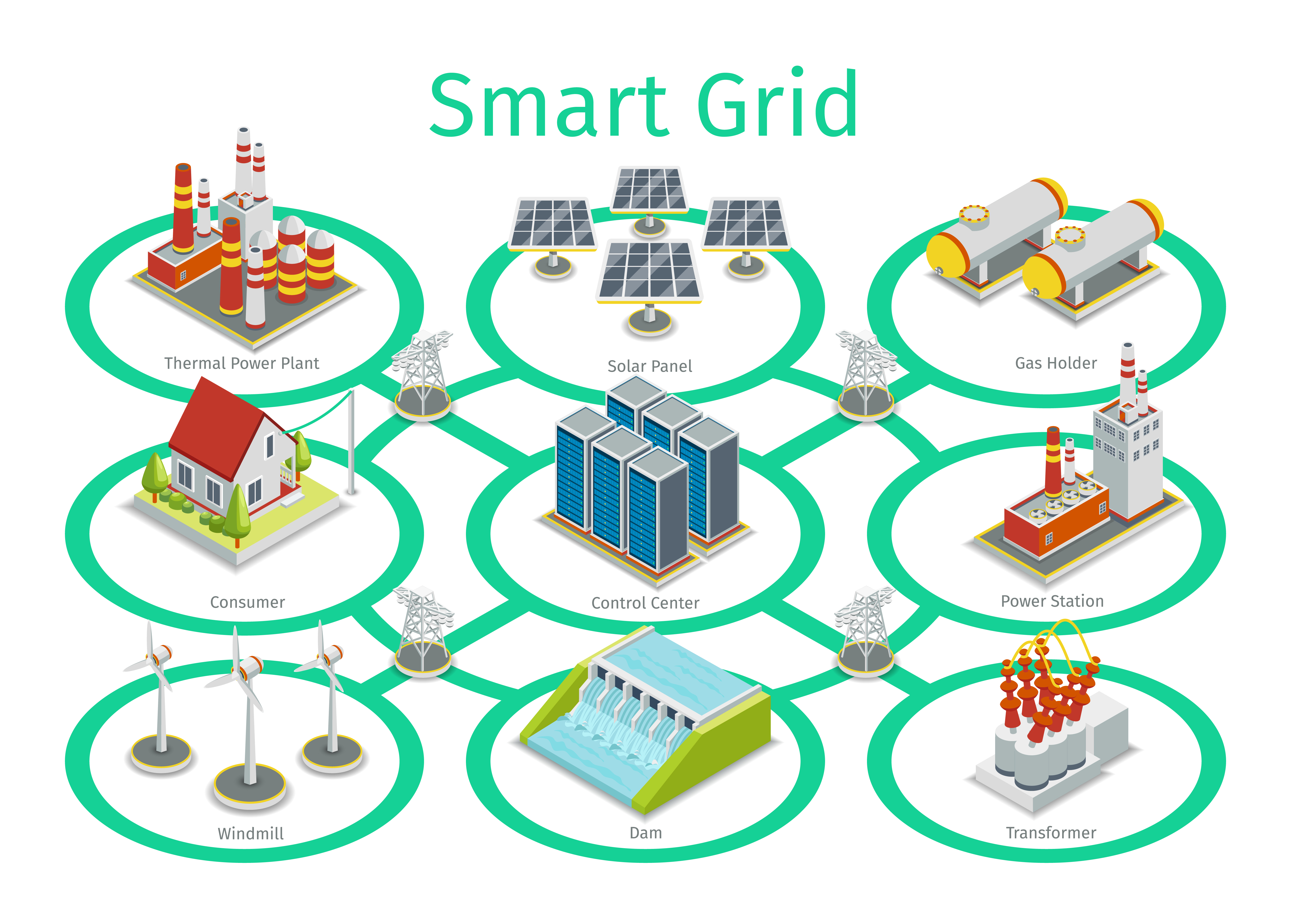
Smart grids represent the next generation of electrical infrastructure, leveraging advanced sensors, communication networks, and data analytics to optimize energy distribution and consumption. By integrating renewable energy sources, energy storage systems, and demand-response mechanisms, smart grids enable more efficient, resilient, and sustainable electricity delivery. With real-time monitoring and control capabilities, utilities can better manage grid operations, reduce energy losses, and enhance grid reliability, ultimately benefiting consumers and the environment.
Energy Storage Solutions: Powering the Future
Energy storage technologies play a crucial role in enabling the widespread adoption of renewable energy sources such as solar and wind power. Advances in battery technology, including lithium-ion batteries, flow batteries, and solid-state batteries, are driving down costs and improving energy storage capacity and efficiency. These innovations have significant implications for renewable energy integration, grid stabilization, and electrification of transportation, paving the way for a cleaner, more resilient energy future.
Electric Vehicles: Accelerating the Transition to Electrification
The electrification of transportation represents a transformative shift in the automotive industry, with electric vehicles (EVs) emerging as viable alternatives to traditional gasoline-powered cars. Rapid advancements in battery technology, charging infrastructure, and vehicle design are making EVs more affordable, practical, and environmentally friendly. As the global push for decarbonization intensifies, EVs are poised to play a key role in reducing greenhouse gas emissions, improving air quality, and enhancing energy security.
Internet of Things (IoT) in Electrical Systems: Enhancing Connectivity and Control
The Internet of Things (IoT) is revolutionizing the way electrical systems are monitored, managed, and optimized. By connecting devices, sensors, and equipment to the internet, IoT technology enables real-time data collection, analysis, and decision-making, leading to improved efficiency, reliability, and safety. In the industrial sector, IoT-enabled smart sensors and predictive maintenance algorithms help prevent equipment failures, minimize downtime, and optimize energy usage, ultimately driving productivity and cost savings.
Conclusion
The future of electrical technology is filled with promise and potential, as innovations in smart grids, energy storage, electric vehicles, and IoT continue to reshape the way we generate, distribute, and consume electricity. By embracing these advancements and investing in sustainable, resilient infrastructure, we can create a more efficient, reliable, and environmentally friendly energy ecosystem that benefits society as a whole.